
Spanish Women in Professional Golf: A Short History
Spain is not a country you would immediately associate with golf. Football, tennis, and basketball dominate the sporting conversation there, and golf courses are far less common than they are in the UK. Yet despite this modest footprint, Spain has consistently produced world-class female players who have left an indelible mark on the LPGA and the Ladies European Tour. From the early amateurs who defied expectations to modern major contenders, Spanish women have shaped the game in ways that resonate far beyond Iberia — including here in the UK, where their performances at the Women’s British Open and their adaptability in tough conditions offer real lessons for our own winter golf. In this article, we trace that history and pick out what UK players can take from it.
The Early Pioneers: Breaking Ground in the 20th Century
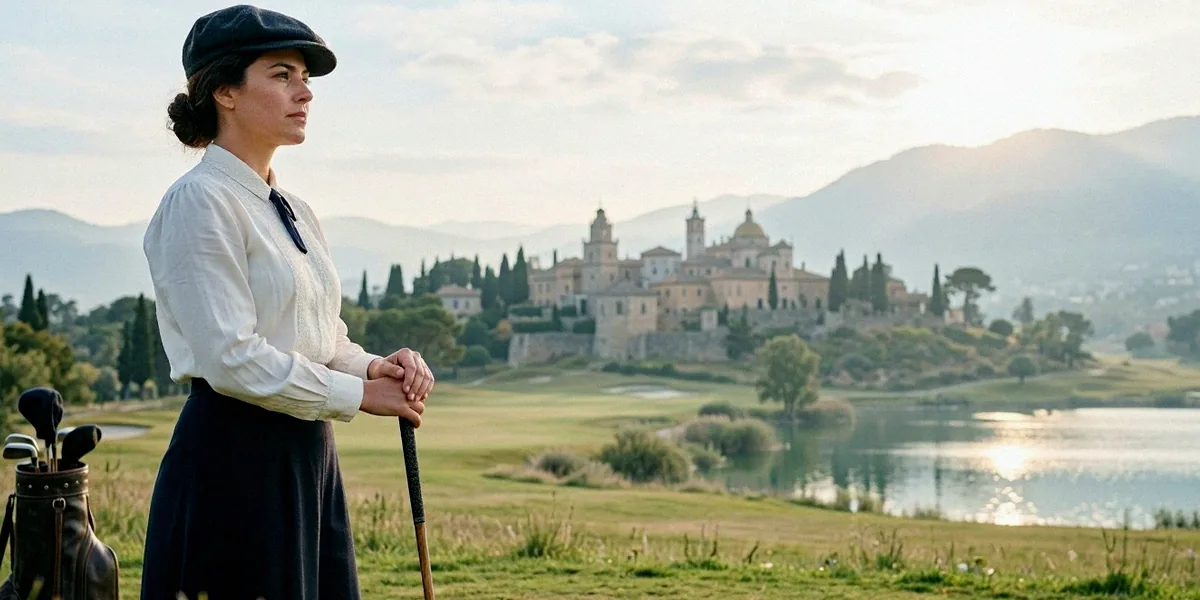
Women’s golf in Spain began largely as an expatriate pastime. British and other northern European families who settled along the Costa del Sol and around Madrid brought their clubs with them, and the earliest ladies’ competitions were played at clubs founded by these communities. Spanish women were initially on the periphery of these clubs, but that quickly changed as the game’s appeal spread.
The formalisation of women’s golf in Spain came with the establishment of the Spanish Ladies Golf Association, which helped organise competitions, set handicaps, and give female players a structure to develop within. This was a significant step in a country where, at the time, sport for women was neither widely encouraged nor well funded.
The First Spanish Women to Compete Internationally
The first Spanish women to represent their country abroad were amateurs, often from comfortable families with connections to British or French golfing circles. They competed in continental championships and occasionally in British events, laying the groundwork for the professionals who would follow. Their results were modest by modern standards, but their willingness to travel and compete outside Spain was genuinely pioneering.
The Role of British Golf Clubs in Spain
British-founded clubs such as those around Sotogrande and the Costa del Sol played a crucial role in the early development of Spanish women’s golf. They provided well-maintained courses, professional coaching, and competitive structures that simply did not exist elsewhere in the country. Many young Spanish girls got their first taste of proper competition at these clubs, learning the game alongside the daughters of British expatriates.
The Rise of Spanish Stars on the LPGA and Ladies European Tour
The 1980s marked a turning point. Spanish women began to appear regularly on the Ladies European Tour, and by the end of the decade, they were winning. This generation proved that Spain could produce players capable of competing — and succeeding — at the highest level.
Marta Figueras-Dotti: A Trailblazer
Marta Figueras-Dotti was the player who truly broke through. She won on the Ladies European Tour in the 1980s and went on to build a long career in the game, later becoming a respected coach and figure within Spanish golf. For a generation of Spanish girls, she was the proof that a career in professional golf was possible.
Tania Elósegui and the Solheim Cup
Tania Elósegui followed in Figueras-Dotti’s footsteps, establishing herself on the LET and earning selection for the Solheim Cup. Her appearance in the European team was a landmark moment for Spanish golf, showing that Spanish players could hold their own in team competition against the best in the world. Others, including Ana Peláez more recently, have continued to fly the flag on the LPGA, ensuring a Spanish presence at the top of the game across multiple generations.
The Modern Era: Spanish Women Dominating Global Golf
Today, Spanish women are not just participants on the world stage — they are among the leading figures in the game. Two names in particular stand out for UK golf fans.
Carlota Ciganda: Major Contender and Solheim Cup Star
Carlota Ciganda is arguably the most recognisable Spanish woman in golf today. A multiple LPGA winner and a fixture in European Solheim Cup teams, she has become known for her ball-striking, her passion, and her ability to deliver in team events. In 2023, she won the Aramco Team Series event in London, a result that delighted the British crowds who have followed her career closely. Her performances in the Solheim Cup, particularly on home soil in Europe, have made her a fan favourite in the UK.
Azahara Muñoz: Consistent Winner on Both Tours
Azahara Muñoz has been a model of consistency, winning on both the LPGA and the Ladies European Tour. She has multiple LET victories to her name and has been a regular contender in major championships. While she has not won the Women’s British Open, her record in the event and her overall body of work have made her one of the most respected Spanish players of her generation. Together, Ciganda and Muñoz have raised the profile of Spanish women’s golf to unprecedented levels.
The Impact of Spanish Women on UK Golf and Winter Play
Spanish players have had a noticeable influence on golf in the UK. Their appearances in the Women’s British Open, their Solheim Cup performances, and their willingness to adapt to links and parkland courses in changeable weather have all resonated with British fans.
Spanish Success at the Women’s British Open
The Women’s British Open is the major that UK fans know best, and Spanish players have consistently featured. The 2023 edition was held at Walton Heath Golf Club in Surrey, a course that demands precision and patience — qualities that Spanish players have often displayed in abundance. Seeing Ciganda, Muñoz and others contend at venues like Walton Heath and Royal Lytham & St Annes has helped cement their status as favourites among British spectators.
Lessons from Spanish Players for Winter Golf UK
Winter golf in the UK is a different beast from the warm, dry conditions Spanish players grew up with. Yet their adaptability offers useful lessons for British golfers facing cold, wet, and muddy courses. Here are a few practical takeaways:
- Accept the conditions and adjust your expectations. Spanish players are known for managing their game intelligently rather than fighting the course. In winter, that means accepting lower run-out, softer fairways, and slower greens.
- Use the right equipment. Winter golf UK often requires handicap adjustments and the use of mats, particularly on fairways and tees. Check your club’s winter rules before you play.
- Focus on strike and control. Clean contact matters more than distance when the ground is soft. Practising half-shots and punchy irons will pay off.
- Keep your routine consistent. Cold hands and extra layers can disrupt your swing. A simple, repeatable pre-shot routine helps maintain rhythm.
The Future: Emerging Talent and Grassroots Growth
Spain’s production line shows no sign of slowing. The Spanish Golf Federation has a strong junior development program that identifies talented youngsters early and provides coaching, competition, and support. This structured approach has been central to Spain’s ongoing success.
Next Generation: Amateurs to Watch
Spanish amateur golf is thriving, with young women competing successfully in European team events and international championships. Several have already earned scholarships at US universities, following the path trodden by Ciganda and others. It is only a matter of time before the next wave arrives on the LPGA and LET.
What UK Golf Can Learn from Spain
The Spanish model offers several lessons for UK golf, particularly in how to develop female talent:
- Invest early. The Spanish Golf Federation identifies and supports talented juniors from a young age.
- Create competitive pathways. Regular, well-organised competition is essential for development.
- Use climate and facilities wisely. Spain’s weather allows year-round play, but UK clubs can compensate with indoor practice and winter leagues.
- Celebrate role models. Visibility matters. The more young girls see Spanish — and British — women succeeding, the more likely they are to take up the game.
Spanish women in professional golf have enriched the sport enormously. From the pioneers who first picked up clubs at British-founded clubs in Spain to modern stars like Carlota Ciganda and Azahara Muñoz, they have shown that talent, hard work, and adaptability can overcome a modest golfing footprint. For UK players, their example is particularly relevant: whether you are grinding through a cold, muddy winter round or dreaming of competing at the highest level, the lessons of patience, preparation, and persistence apply just as much here as they do on the Costa del Sol.
FAQ
Who is the most successful Spanish woman in professional golf?
Carlota Ciganda is widely regarded as the leading Spanish woman in golf today, with multiple LPGA wins and a standout Solheim Cup record. Azahara Muñoz also has an outstanding career with wins on both the LPGA and Ladies European Tour.
Has a Spanish woman ever won the Women’s British Open?
No Spanish woman has won the Women’s British Open, though several have contended. The 2023 edition was held at Walton Heath Golf Club in Surrey, where Spanish players featured prominently.
How do Spanish players cope with winter golf conditions in the UK?
Spanish players are known for their adaptability. In winter golf UK conditions, they focus on clean ball-striking, sensible club selection, and managing expectations. UK golfers should also be aware that winter rules often require handicap adjustments and the use of mats.
What makes the Spanish Golf Federation’s junior program so effective?
The Spanish Golf Federation has a strong junior development program that identifies talent early and provides structured coaching, competition, and support. This has been a key factor in Spain’s continued production of world-class female players.
Which Spanish amateur players should UK golf fans watch?
Several Spanish amateurs are making waves in European and international competitions, with some already earning US college scholarships. Given the strength of Spain’s development system, more are likely to follow in the footsteps of Ciganda and Muñoz.