
MH Golf – Women’s Golf, Tour News and Practical Tips
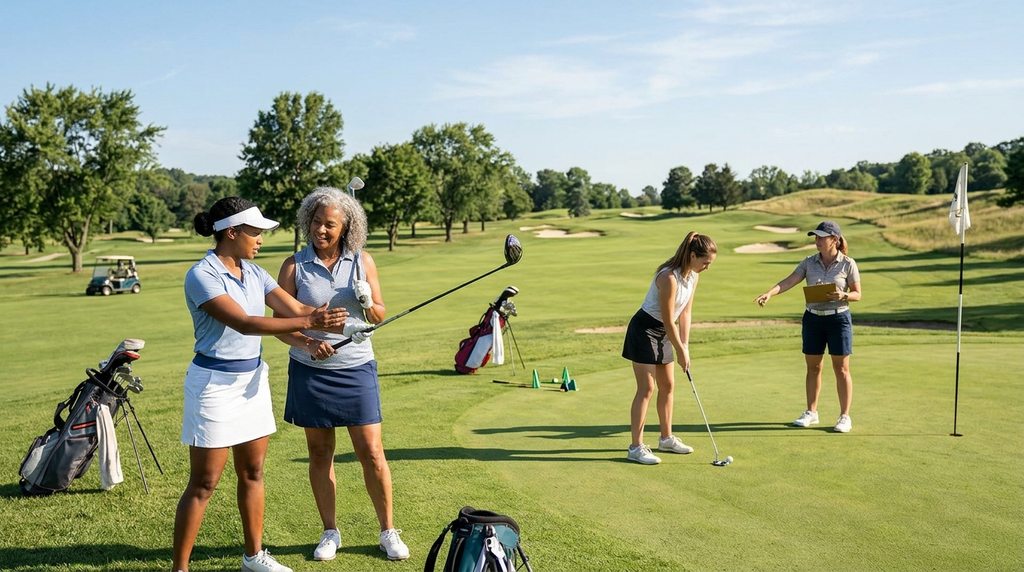
Welcome to mariahernandezgolf.com, an independent UK source for women’s golf news, know-how and honest views.
We built this site to help enthusiasts follow the professional circuit, understand its structure, and improve their own play.
We explore how the LPGA and Ladies European Tour work together, with women’s golf tour tips for the British winter.
You’ll find grip, stance, short game and putting pointers, plus course management, practice routines and ways to lower your score.
We finish with candid reviews of professional-level drivers and winter kit, tested by us, not an official body.
Please note: we are not affiliated with any governing body of the sport. Everything here reflects our own views, testing and experience. We hope it encourages golfers of every level to keep learning and enjoying the game.
Key Takeaways
- mariahernandezgolf.com is an independent UK publication, not an official tour source.
- The article explains how the professional game is organised between the LPGA and Ladies European Tour.
- Readers will find seasonal advice for staying sharp through the British winter months.
- Practical guidance covers grip, stance, short game, putting and course management.
- Honest, first-hand reviews of drivers and winter apparel feature throughout.
- The tone is encouraging and inclusive, aimed at players of all abilities.
The Current State of Women’s Golf in the UK
We’ve seen a real shift in how women’s golf is viewed and played across British fairways in recent years. More women are picking up clubs for the first time, while others return after years away.
Golf media now gives women’s golf events more coverage than before. Commentary, interviews and match reports have given the women’s game a visibility it once lacked. This attention reflects wider changes within clubs.
Many clubs are working to broaden their membership base. Outreach targets women of all ages and abilities, not only competitive players. As a result, women’s golf feels more open and less intimidating to newcomers.
Participation and the Growth of the Women’s Game
Grassroots interest continues to grow across the country. Beginner programmes make women’s golf easier to try without pressure. Many clubs now run taster sessions for women who’ve never swung a club.
Social golf formats have helped too. Nine-hole evenings, relaxed scrambles and ladies’ social days offer women a relaxed way to enjoy the course. These informal formats matter because they remove the stiff formality that once discouraged many people from trying golf.
Word of mouth keeps this momentum going. As more women take up the game, friends and family often follow. This growth feels organic, built on genuine enjoyment rather than a passing trend.
Why More Clubs Are Welcoming Women to the Fairways
Clubs across the UK are rethinking old rules that once discouraged women from joining. Relaxed dress codes mean fewer rigid restrictions on players’ clothing. This shift has made women feel more welcome when they arrive.

Tee-time policies have evolved too. Many clubs now offer dedicated women’s tee times and flexible mixed slots. This gives women a real choice about how and when they play their rounds.
Dedicated women’s sections provide community and ongoing support. Beginner-friendly clinics, often led by qualified coaches, help new players build confidence early. Together, these changes show women’s golf is working to welcome more women onto the fairways.
LPGA versus Ladies European Tour: How the Women’s Professional Game Is Structured
Two separate tours lead women’s professional golf, shaping how fans follow and players compete at the highest level. The LPGA mainly operates in the United States; the Ladies European Tour stages events across the UK and mainland Europe. Players often cross between both tours, which share the major championships that define the sport.
People often ask how these organisations work together, because neither is simply a smaller version of the other. This guide explains each season, major events, and how a promising amateur earns a professional playing career.
Tour Schedules and Season Structure
The LPGA calendar usually runs from early to autumn, with most tournaments in the United States and some international events. LPGA prize funds are among women’s golf’s largest, reflecting its long-established position as the leading tour. Courses range from coastal resorts to classic parkland venues, offering varied tests throughout the season.
The Ladies European Tour follows a similar pattern, with more events across the UK and mainland Europe. Its season also stretches across several months, giving European players regular chances to compete near home. Many golfers hold dual membership, moving between the LPGA and the Ladies European Tour based on qualification and travel needs.
| Aspect | LPGA | Ladies European Tour |
|---|---|---|
| Primary Region | United States, with some international events | UK and mainland Europe, with occasional events elsewhere |
| Typical Season Span | Early year through to autumn | Spring through to autumn |
| Prize Fund Scale | Generally higher overall | Smaller on average, though growing |
| Player Crossover | Common among top-ranked players | Common, especially for emerging talent |
Major Championships to Follow
Like men’s golf, women’s professional golf has recognised major championships, including the Chevron Championship, the U.S. Women’s Open, and the Women’s PGA Championship. The majors also include the AIG Women’s Open and the Evian Championship. Winning one of these titles is a career-defining achievement, whatever tour the player represents.
Majors welcome LPGA members and Ladies European Tour players, bringing both tours together on one stage. For UK fans, the AIG Women’s Open has special appeal because it is played at home. It regularly attracts strong British and European fields.
The Pathway from Amateur to Professional
Breaking into professional women’s golf usually starts with a strong amateur record. Many players gain this through national squads, university golf programmes, or regional amateur circuits across the UK and Europe. From there, most follow a clear route into the professional ranks.
- Establishing a strong amateur playing record, often through county or national representation
- Turning professional and entering official qualifying events
- Attempting qualifying school, commonly known as Q-School, run separately by the LPGA and the Ladies European Tour
- Earning full or conditional tour membership based on qualifying results
- Maintaining that membership through consistent performance against full professional fields
Q-School usually has several stages, reducing a large field to players who earn rights for the following season. Some players qualify through developmental tours or exemptions earned from notable amateur achievements. After securing a tour card, players must produce steady results each week to keep it.
Winter Golf in the UK: Staying Sharp Through the Off-Season
Rather than packing away their clubs in cold weather, many golfers see winter golf UK as a chance to improve. Shorter days and heavier ground create fresh challenges. They also allow focused practice before the season returns.
Course Conditions and Winter Rules
UK courses change greatly when autumn gives way to winter weather. Greenkeepers may use temporary greens to protect main putting surfaces from frost and heavy foot traffic. “Preferred lies” let players move the ball slightly on their fairway without penalty.
These changes matter because saturated ground can quickly damage a course. Divots that would heal in summer can leave scars that last until spring. Clubs use these rules to keep courses playable, so following them supports the whole membership.
A few things to remember during wetter winter rounds:
- Check the clubhouse noticeboard or app for daily course status updates.
- Repair pitch marks promptly, as wet greens mark more easily.
- Use buggies only where permitted, since waterlogged ground can be damaged by wheels.
- Replace divots on temporary tees and fairways whenever instructed.
Etiquette becomes even more important in winter. Tricky lies and limited daylight can slow play, so keep pace with the group ahead.
Kit and Clothing for Cold-Weather Rounds
Proper clothing can turn a miserable winter round into an enjoyable one. Layer a moisture-wicking base, insulating mid-layer and waterproof outer shell for most UK winter weather. Add a windproof layer when playing somewhere exposed.
Grip maintenance needs extra care in winter. Cold, damp conditions make grips slippery, so wipe clubs between shots to keep your hold secure. Some golfers carry a small towel for this purpose.
Visibility matters during grey, overcast afternoons across much of the country. Bright golf balls and reflective clothing help you stay visible near dusk.
Our essential winter kit list includes:
- Thermal base layers and a breathable waterproof jacket
- Waterproof trousers for persistent rain
- Insulated, waterproof golf shoes with good grip
- Winter gloves designed specifically for golf swings
- A spare pair of gloves to swap when one gets damp
Indoor Practice Options
Indoor options keep your game moving when courses close or conditions become unplayable. Covered driving ranges let you hit balls in any weather, making them a reliable winter choice.
Golf simulators have become very popular across the UK in recent years. They offer full-swing practice with instant data on ball speed, spin and carry distance, inside a warm, dry studio. Many venues also offer virtual rounds on famous courses, keeping practice interesting.
Indoor coaching studios offer another useful winter resource. A coach can spot swing faults more easily with slow-motion video and controlled lighting.
Consider these indoor alternatives during the off-season:
- Covered driving ranges for regular ball-striking practice
- Golf simulators for realistic course scenarios
- Indoor coaching studios for technical swing work
- Putting studios or home putting mats for short game maintenance
Keeping Your Game Sharp Until Spring
Winter golf UK conditions may tempt you to stop, but a structured approach helps when spring arrives. Clear, achievable goals give off-season sessions purpose.
Technique work benefits greatly from quieter winter months. Without competitive pressure, you can test grip changes, stance adjustments or a new short game technique.
Fitness work also deserves attention during this period. Golf-specific strength and mobility exercises improve rotation and power, helping you feel ready rather than rusty in spring.
A simple off-season plan might include weekly simulator sessions and one coaching appointment per month. Add a short home fitness routine twice a week. Small, consistent efforts often produce sharper golf when the clocks go forward.
Women’s Golf Tour Tips: Grip and Stance Foundations
Good golf begins before the swing, when your hands meet the club. Grip and stance support every reliable shot, yet golfers often overlook them while chasing tempo and power. Among the most useful women’s golf tour tips, these basics deserve close attention.
Get them right, and the rest of the swing becomes much easier to build.
Finding a Grip That Works for You
Golf has no single “correct” grip. Choose the style that suits your hands and feels natural under pressure. Most golfers choose overlapping, interlocking or baseball, also called ten-finger.
The overlapping grip places the trailing hand’s little finger over the lead hand, suiting larger or stronger hands. The interlocking grip joins the little finger and index finger, suiting smaller hands or less grip strength. The baseball grip places all ten fingers on the club, helping beginners and golfers with weaker hands or arthritis keep control.
| Grip Style | Best Suited For | Key Benefit |
|---|---|---|
| Overlapping | Larger or stronger hands | Unified hand action, reduced tension |
| Interlocking | Smaller hands, weaker grip | Extra security and connection |
| Baseball (Ten-Finger) | Beginners, arthritic hands | Maximum control and comfort |
We always recommend trying each style on the range before choosing. A grip that feels awkward after ten minutes rarely improves, so trust your instincts and choose comfort over tradition.
Building a Consistent, Balanced Stance
Once your grip feels settled, focus on posture. Stand with feet about shoulder-width apart, knees softly flexed, and bend from the hips, not the waist. This athletic, balanced position helps you rotate freely through the ball.
Ball position matters as much as posture. Place shorter irons near the stance centre; move drivers and fairway woods slightly forward, towards the lead foot. This adjustment helps strike the ball at the correct point in your swing arc.
At address, weight should feel even between both feet, then shift naturally during the swing. Before every practice session, check alignment by laying a club on the ground towards your target.
These simple checks build consistent, confident golf when repeated often. Among all the golf tips we could offer, mastering grip and stance remains the most valuable investment in her game.
Short Game Secrets: Chipping, Pitching and Putting
Ask any experienced club golfer where their handicap fell fastest, and they will mention the short game. Drives get attention, but chipping, pitching and putting decide most scorecards. We’ve put together practical golf tips to help you save shots where they matter most.
The good news is that short game improvement does not need a complete swing overhaul. Small technique and practice changes often bring quick results.
Sharpening Your Chipping and Pitching
Knowing when to chip and when to pitch is half the battle. A chip stays low and rolls like a putt, while a pitch flies higher and stops faster. We choose between them based on available green and anything between the ball and flag.
Spin and trajectory control come from club choice and ball position, not technique alone. Moving the ball slightly back in your stance creates a lower, running shot. Playing it forward with a slightly open clubface adds height and softness.
Here’s a simple comparison we use to decide quickly on the course:
| Shot Type | Typical Club | Ball Flight | Best Used When |
|---|---|---|---|
| Chip | 7-iron to pitching wedge | Low, rolls like a putt | Plenty of green between ball and pin |
| Pitch | Sand wedge or lob wedge | Higher, lands softly | Need to clear a bunker or rough |
| Bump-and-run | 8 or 9-iron | Low, minimal spin | Firm fairway, open approach |
Distance control makes the real difference, though. We practise three set swing lengths—small, medium and full—to estimate each carry distance. Repeating this drill with different clubs builds reliable feel under pressure.
Putting Tips That Save Shots
Reading greens well starts with the basics: slope, grain and speed. We walk around the hole before putting, checking how the ground falls on each side. This habit prevents guesswork and missed reads.
A repeatable setup routine reduces inconsistency. We keep our eyes over the ball, grip lightly, and square our shoulders to the intended line. Using the same routine before each putt builds trust under pressure.
Lag putting deserves more practice time than most golfers give it. Here are some of our favourite golf tips for improving distance control:
- Practise putts from 20, 30 and 40 feet, aiming to stop within a three-foot circle around the hole.
- Use a putting mirror or alignment stick to check your stroke path stays square.
- Play the “ladder drill,” placing balls at increasing distances and trying to beat your previous attempt.
- Focus on tempo rather than power, letting the putter’s weight do the work.
Three-putts usually happen when the first putt finishes too far from the hole. Sharpening lag putting and trusting a consistent routine will quietly shave strokes from your round, often more than a new driver.
Course Management: Thinking Your Way to Lower Scores
The difference between a good round and a great one often comes down to decisions. A reliable swing helps only when our choices support it. Some of the best golf tips focus on clear thinking and a strategy that suits our strengths.
Course management means slowing down and asking useful questions. Which club suits this shot? What happens if we miss? Where is the safest place to leave the ball? These brief decisions can save strokes over eighteen holes.
Smart Decisions Off the Tee
Many of us choose the driver from habit, not necessity. On tight, tree-lined holes or those guarded by water and bunkers, a fairway wood or long iron often works better. Finding the short grass matters more than gaining extra yards.
We have found that a simple pre-shot checklist helps before stepping onto the tee. Consider these points:
- Choose the club that gives the highest chance of hitting the fairway, not just the longest distance.
- Play to your natural shot shape rather than fighting it on a demanding hole.
- Identify the trouble on both sides of the fairway before committing to a line.
- Accept a shorter, safer tee shot when the reward for a risky one is small.
This approach keeps the ball in play and sets up a straightforward approach shot. That is often worth more than extra yards off the tee.
Managing Risk Around the Green
Good golf tips around the green begin with knowing when to attack and when to play safe. The lie, pin position and scoring situation should guide the shot we choose. A tucked pin behind a bunker needs a different plan from an open pin in the green’s centre.
We picture each option before swinging, then ask what remains if the risky shot fails. If the safer shot succeeds, is it still a reasonable result? This simple exercise often reveals the smarter play.
| Situation | Lie and Pin Position | Recommended Approach |
|---|---|---|
| Protecting a good score | Tight lie, pin close to a hazard | Aim for the centre of the green and accept a longer putt |
| Needing to make up shots | Clean lie, accessible pin | Play more aggressively towards the flag for a birdie chance |
| Uncertain lie in rough | Any pin position | Prioritise getting the ball safely onto the green first |
Treating every shot as a decision, not a guaranteed success, makes rounds steadier and scores lower. Over time, these choices become second nature, making course management a reliable way to shave strokes from our game.
Practice Routines for Every Level of Golfer
There’s a world of difference between hitting balls aimlessly and practising with purpose. Golfers who improve fastest are rarely the most naturally gifted players on the range. They simply turn up with a plan.
Good golf tips matter only when we apply them in a structured way. Below, we have created practice routines for every stage of our golfing journey.
Practice Plans for Beginners
When we’re new to golf, we may grab a bucket and swing without much thought. A better approach uses short, focused blocks that build one fundamental at a time.
- Grip checks: spend five minutes before every session confirming grip pressure and hand position feel natural
- Alignment sticks: lay one down to check we’re squared up correctly to the target line
- Slow-motion swings: half-speed reps that groove a smooth takeaway and build muscle memory
- Contact drills: tee the ball at waist height to encourage a clean, centred strike
We recommend practising little and often. Twenty minutes, three times a week, beats one two-hour marathon session. These short, consistent sessions are useful golf tips for newcomers because habits stick without overwhelming us.
Practice Plans for Improvers and Low Handicappers
Once the basics feel natural, practice needs more structure and honest feedback. We find it helpful to split range time between technical work and situations that copy real course pressure.
- Nine-shot drill: hit high, low, and standard shots with fades and draws to build genuine shot-shaping control
- Solo scorecard rounds: play nine holes alone, logging every putt, up-and-down, and fairway hit
- Stats tracking: record greens in regulation, putts per round, and scrambling percentage to spot patterns
- Pressure putting: hole five consecutive three-footers before leaving the practice green
Tracking numbers may feel unnecessary at first, but they quickly show where shots are lost. If a golfer finds their short game, rather than driving, costs the most strokes, they can redirect practice time far more effectively.
That single insight often does more for a scorecard than any new swing tip ever could. It’s one of the simplest golf tips we can pass on: measure before you fix.
| Practice Area | Beginners | Improvers & Low Handicappers | Suggested Weekly Time |
|---|---|---|---|
| Full Swing | Slow-motion reps for grip and contact | Shot-shaping drills across varied clubs | 60-90 minutes |
| Short Game | Basic chip-and-run technique | Up-and-down drills under self-imposed pressure | 45-60 minutes |
| Putting | Gate drill for a straight stroke path | Pressure putting and green-reading practice | 30-45 minutes |
| On-Course Practice | Nine holes focusing on rules and routine | Stat-tracked rounds to identify weaknesses | One round weekly |
We Tested Tour-Level Drivers for Women Golfers
Choosing a new driver can feel overwhelming, so we tested two leading women’s models on real fairways. We wanted practical, honest feedback rather than marketing promises. These results offer useful women’s golf tour tips when choosing your next equipment investment.
TaylorMade Stealth 2 HD Women’s Driver
Overview
TaylorMade designed the Stealth 2 HD for higher swing heights and moderate swing speeds. “HD” means High Draw, showing its draw-biased design helps reduce slicing. We saw this purpose from our very first range swings.
Features
- Lightweight shaft options suited to slower swing speeds
- 60X Carbon Twist Face for a larger, more forgiving sweet spot
- Draw-bias internal weighting to help square the clubface at impact
- Adjustable hosel for small loft and lie tweaks
Pros
- Launches easily, even on off-centre strikes
- Noticeably forgiving across the face
- Lightweight, comfortable feel throughout the swing
Cons
- Adjustability feels limited next to some tour-level rivals
- Sits at a premium price point for players on a tighter budget
Recommendations
We recommend this driver to golfers who struggle with a slice or want more confidence off the tee. Players with faster swing speeds may prefer a more neutral-faced driver.
Conclusion
The Stealth 2 HD delivers dependable forgiveness and an easy, high launch. It is a strong choice for anyone who values consistency over outright adjustability.
Callaway Rogue ST Max Lite Women’s Driver
Overview
Callaway built the Rogue ST Max Lite with a lighter overall weight. It aims to help women golfers create more clubhead speed without extra effort. During testing, we felt its reduced swing weight almost at once.
Features
- Lightweight shaft and grip combination throughout the club
- Forged Carbon Crown that trims overall head weight
- Larger clubhead profile for added forgiveness
- Simple, fixed hosel design for a straightforward setup
Pros
- Lighter swing feel that helps build clubhead speed
- Forgiving on both heel and toe strikes
- No fiddly adjustments, ready to play straight away
Cons
- Fixed hosel limits fine-tuning for fitting purists
- Offers less workability for players wanting to shape shots deliberately
Recommendations
This driver suits golfers wanting a simple, lighter swing, especially newer players or those returning after a break. Stronger players seeking deliberate shot-shaping control may find it restrictive.
Conclusion
The Rogue ST Max Lite impressed us with its light, easy-swinging feel and steady forgiveness. It is a sensible option for golfers who value ease of use above all else.
| Driver | Design Focus | Swing Feel | Best Suited For |
|---|---|---|---|
| TaylorMade Stealth 2 HD | Draw-bias forgiveness | Smooth, confidence-boosting | Golfers working on slice correction |
| Callaway Rogue ST Max Lite | Lightweight, speed-friendly build | Very light, easy to swing | Beginners and returning players |
Both drivers performed well, and either would suit a women’s bag. Our women’s golf tour tips are simple: test before buying, then choose the feel that best suits your swing.
We Tested Winter-Ready Golf Apparel for Women
A good swing only goes so far when wind cuts across the fairway and rain will not stop. We tested two pieces made for winter golf uk during cold, damp sessions in real British weather, not marketing conditions.
Both came from respected performance clothing brands, but they use different ways to keep golfers warm and dry. We wore each across several rounds, checking comfort, movement, and performance in heavy rain.
Galvin Green Elaine GORE-TEX Jacket
Overview
The Elaine jacket is premium winter golf uk outerwear. It uses GORE-TEX fabric technology with a tailored, women’s-specific cut that avoids restricting the swing.
Its purpose was clear from the start. It suits golfers who play in genuinely wet, cold conditions, not occasional damp mornings.
Features
- GORE-TEX waterproof and breathable membrane
- Four-way stretch fabric panels for swing mobility
- Adjustable storm cuffs and an articulated sleeve design
- Fitted, contoured shape built for the female form
Pros
- Stayed completely dry through sustained heavy rain during testing
- Breathable enough that we didn’t overheat mid-round
- Tailored fit allowed a full, unrestricted swing
- Kept core body temperature stable even in a sharp wind
Cons
- Sits at a high price point compared to standard waterproofs
- Colour and print choices feel somewhat limited
Recommendations
We recommend this jacket for golfers who play through colder months and want a long-term investment. If you face genuinely rough weather more than a few times each season, its performance justifies the outlay.
Conclusion
This is a seriously capable piece of winter kit. It is not cheap, but every test round confirmed its promised performance.
Under Armour Storm Women’s Golf Layering Set
Overview
Instead of one heavy shell, Under Armour’s Storm set uses layers for winter golf uk rounds. It combines a moisture-wicking base layer with a lightweight mid-layer, both treated with UA’s Storm water-resistant technology.
We valued this flexibility. On milder days, one layer worked; on sharper days, both felt warm without restricting movement.
Features
- Moisture-wicking base fabric with four-way stretch
- UA Storm finish for light water resistance
- Flatlock seams to reduce chafing during the swing
- Lightweight mid-layer designed for easy stacking
Pros
- Noticeably more affordable than a full waterproof jacket
- Versatile layering suited changeable UK temperatures well
- Comfortable against the skin across a full round
- Moved with us through the swing without bunching
Cons
- Not fully waterproof, so heavy rain gets through eventually
- Better suited to cold, dry days than persistent downpours
Recommendations
This set suits golfers seeking adaptable warmth rather than one bulky jacket. It works well on crisp, dry winter mornings, but pack a waterproof shell for wetter weather.
Conclusion
As a flexible, budget-friendly option, it deserves a place in most winter golf uk kit bags. Pair it sensibly with proper rain cover when needed.
| Product | Waterproofing | Best Suited To | Price Range |
|---|---|---|---|
| Galvin Green Elaine GORE-TEX Jacket | Fully waterproof | Regular wet, cold rounds | Premium |
| Under Armour Storm Layering Set | Water-resistant only | Dry, cold conditions | Mid-range |
Your choice depends on how often you play through the worst of a British winter. For frequent wet-weather rounds, the Galvin Green jacket earns its price tag. For milder, drier days, the Under Armour set offers a comfortable, affordable alternative.
Getting Started in Women’s Golf: Clubs, Coaching and Confidence
There is a quiet thrill in starting women’s golf, and strong basics make a real difference. The right equipment and friendly support can turn early, unsteady swings into real enjoyment. We have gathered practical tips to help new players feel comfortable on the course.
Starting need not cost a fortune or make you feel out of place. With guidance, beginners can build a strong foundation for years. Let’s focus on what matters when choosing clubs and finding support.
Choosing Beginner-Friendly Clubs
Beginner clubs should feel easy to swing, rather than tiring. A lighter shaft helps create speed with less effort, which benefits new players. Most women’s starter sets use graphite shafts for this reason.
Flex matters as much as weight. A softer, flexible shaft suits slower swing speeds and helps lift the ball with less strain. Many retailers offer fitting sessions for women’s golf beginners, so consider one before buying.
Starter sets are often the smartest choice for new golfers. They typically include a driver, a few irons, a hybrid and a putter, so beginners have the essentials without too much choice. Simplicity matters, especially during the first few months.
Here’s a quick guide to choosing your first set of clubs.
| Club Component | Beginner-Friendly Feature | Why It Helps |
|---|---|---|
| Shaft | Lightweight graphite, flexible | Increases swing speed with less effort |
| Driver Head | Larger clubface, forgiving design | Reduces impact of off-centre strikes |
| Irons | Cavity-back, wider sole | Helps lift the ball more easily |
| Grip Size | Thinner grip for smaller hands | Improves control and comfort |
Finding the Right Coaching and Support
Good equipment only takes a new golfer so far. Proper coaching speeds progress and builds confidence faster than learning alone. Many UK clubs now run women-only beginner programmes for new players.
These sessions provide a relaxed setting where questions feel welcome. Coaches understand common challenges women face when starting women’s golf, including grip changes and basic swing mechanics. Group lessons also build friendship and keep motivation high.
Club communities play an important role too. Many golf clubs have active ladies’ sections, with taster days, social rounds and informal clinics. Joining one can make learning feel much easier.
We encourage new players to ask about introductory packages before joining a club. Several facilities combine lessons, club hire and course access in one affordable offer. This reduces early pressure and lets beginners enjoy the game.
Confidence grows when the right support is available. With patient coaching and a welcoming club, progress in women’s golf often comes sooner than newcomers expect.
Conclusion
Women’s golf continues to grow across the UK, as more clubs welcome new members and more players pick up clubs. The professional game, from the LPGA to the Ladies European Tour, inspires players developing their skills each season.
This guide has covered practical women’s golf tour tips to help you improve at every stage. It includes grip and stance basics, short game techniques, course management strategies and winter practice routines. Together, these tips support steadier scores and greater confidence on the course.
Strong fundamentals matter more than quick fixes. Small, consistent improvements in technique and preparation usually bring better results than dramatic changes made all at once.
At mariahernandezgolf.com, we aim to give UK women golfers an independent, practical resource. It covers equipment choices and coaching advice. We are not affiliated with the LPGA or Ladies European Tour, but use their example to offer grounded, useful guidance.
Golf rewards patience and practice. Whether you are starting out or lowering your handicap, keep returning to these fundamentals. Apply these women’s golf tour tips regularly, adapt them to your game, and you will make steady progress each season.
FAQ
What is the difference between the LPGA and the Ladies European Tour?
The LPGA is the main women’s professional golf tour, based mostly in the United States. The Ladies European Tour runs tournaments across Europe, including events in the UK. Many players compete on both tours during their careers. Each tour has its own schedule, qualifying routes and membership structure, and they operate independently. We cover both at mariahernandezgolf.com as an independent source, but we are not official for either tour.
Is mariahernandezgolf.com an official LPGA or Ladies European Tour website?
No, we are an independent, UK-based publication dedicated to women’s golf. We offer our own views, tour news summaries and hands-on product testing, but we are not affiliated with or endorsed by either tour. For official rankings, entry lists and results, readers should consult the tours’ own channels.
How can I keep playing golf in the UK during winter?
Winter golf UK conditions often bring temporary greens, preferred lies and softer fairways. Adjust your expectations and etiquette accordingly. Wear proper layers and waterproofs, keep grips dry, and use high-visibility kit for more enjoyable rounds. When courses are unplayable, driving ranges, golf simulators and indoor coaching studios help you stay sharp until spring.
What are the best golf tips for improving my short game?
Our best golf tips include choosing a chip or pitch based on the lie and pin distance. Control trajectory and spin, and practise regularly to improve distance control. For putting, read greens accurately, use a repeatable setup, and practise lag-putting drills to reduce three-putts and save shots.
Which grip should I use as a beginner in women’s golf?
There is no single correct grip; your choice depends on hand size, strength and comfort. The overlapping grip suits golfers with larger hands, while the interlocking grip may help those with smaller or weaker hands. The baseball or ten-finger grip suits complete beginners; try each on the range before committing.
How does course management help lower my golf score?
Good course management means making smart decisions, rather than always hitting the biggest shot. Choose tee clubs that suit your strengths and avoid needless risk on tight or hazard-lined holes. Around the green, judge when to play safely or aggressively, considering your lie, pin position and scoring situation. These golf tips can shave strokes without changing your swing.
What practice routine should I follow if I’m new to women’s golf?
Beginners benefit from repeatable drills that build fundamentals, including grip checks, stance alignment and solid ball contact, before focusing on distance. As you progress, use structured range sessions and practice rounds on the course. Tracking basic statistics, such as fairways hit and putts per round, can reveal specific areas to improve.
Are tour-level drivers suitable for beginner women golfers?
Not always. Some models offer forgiveness and easy launch, making them suitable for higher handicappers. We tested options including the TaylorMade Stealth 2 HD Women’s Driver and the Callaway Rogue ST Max Lite Women’s Driver, finding lightweight shafts and forgiving clubheads. These features suit various swing speeds, though newer golfers may prefer a dedicated beginner’s set at first.
What kit do I need for winter golf UK rounds?
Layering is essential: wear a moisture-wicking base layer, insulating mid-layer and waterproof, breathable outer shell, such as a GORE-TEX jacket. Good-grip gloves, waterproof trousers, thermal socks and visible outerwear keep rounds comfortable as temperatures fall. We tested options including the Galvin Green Elaine GORE-TEX Jacket and the Under Armour Storm Women’s Golf Layering Set, assessing their performance in genuinely cold, wet UK conditions.
How do I get started in women’s golf if I’ve never played before?
Start with beginner-friendly clubs featuring lighter shafts and more flexible builds, often sold in starter sets for new women golfers. Beyond equipment, coaching, women-only beginner programmes and welcoming club communities help build skill and confidence.